How to conquer your dream home with installments starting at $99 per month!

Have you ever woken up to find the kitchen sink overflowing or the bathroom drain no longer draining? This may seem like a minor inconvenience, but it quickly turns into a real nuisance. Know how to unclog pipes effectively and safely is an essential skill for any home.
Over time, grease, hair, soap and food residues build up in the pipes, making it difficult for water to pass through. Ignoring the first signs can lead to bigger problems, such as leaks and even burst pipes.
However, many still believe that the only solution is to call a plumber and spend a fortune. Fortunately, there are homemade ways to unclog pipes that really work - and you can apply them yourself in just a few minutes.
In this article, you'll discover the most effective, affordable and quickest methods for solving this problem at home. Read on and learn how to avoid stress and save money with smart solutions.
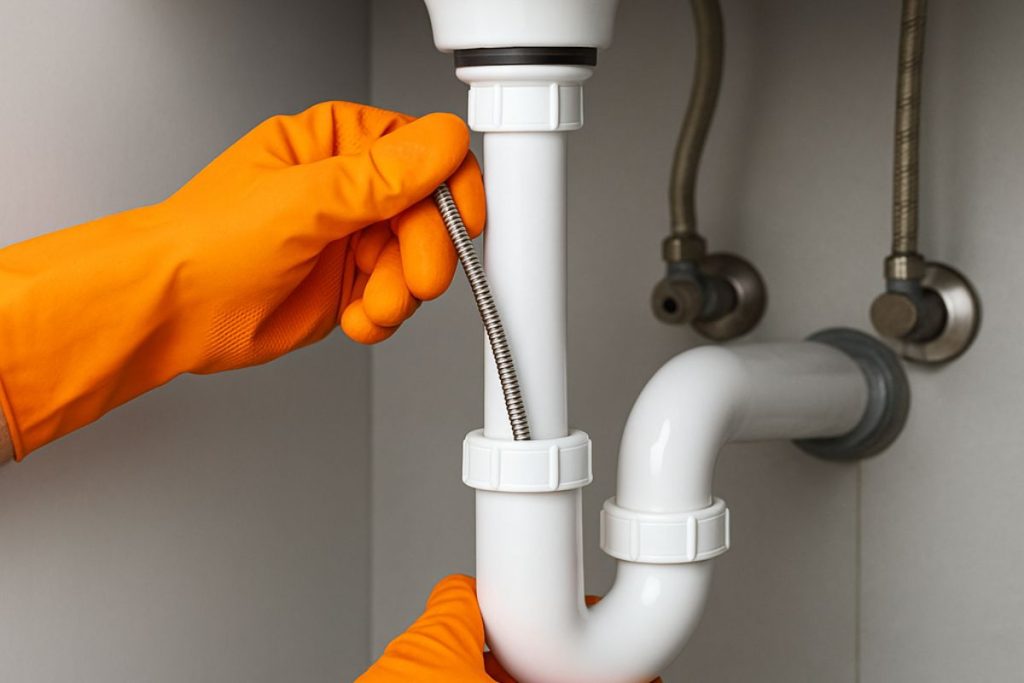
Before rushing to apply any method, it is essential to identify the cause of the blockage. After all, the type of obstruction determines which technique will be most effective and safe.
In the kitchen sinkThe problem is usually linked to a build-up of grease and food waste. Over time, these residues solidify and prevent water from passing through. In bathroomthe accumulation of hair, dental floss and personal hygiene products is the big villain.
In addition, many households use strong chemical products that promise quick solutions, but end up damaging the pipes and making the situation worse. That's why how to unclog pipes safely becomes even more important.
Even seemingly small problems, such as slow drainage, are a warning sign. Waiting too long can turn a small blockage into an expensive and complex job. That's why prevention and immediate solutions are essential.
Finally, it's not just about comfort. Keeping the plumbing clean also prevents bad smells, the proliferation of bacteria and insects such as cockroaches and mosquitoes, which take advantage of accumulated moisture and dirt.
If you are looking for how to unclog pipes with homemade solutionsHere are the most effective and safe methods. They use common ingredients and are among the alternatives most recommended by experts.
This classic is one of the most popular and safest forms of unclogging sinks. Start by pouring half a cup of baking soda down the drain. Then pour in half a cup of white vinegar. The mixture will bubble - it's the chemical reaction that helps dissolve grease and accumulated residue.
After a few minutes, pour in hot water to finish the process. This method is particularly effective in mild and moderate cases of clogging.
To unclogging grease trapsThis technique is a great ally. Boil about two liters of water and mix it with a good amount of dishwashing detergent. The grease accumulated in the pipes is melted by the combination of the high temperature and the degreasing power of the detergent.
Pour slowly into the drain, taking care not to burn yourself. Repeat the process weekly as a preventative measure.
Simple and effective, the traditional rubber plunger can solve many clogs caused by surface buildup. All you have to do is press down on the drain with the plunger, creating a vacuum. The thrust generated can dislodge the clogged material, freeing up the passage.
This method is ideal for sinks, drains and toilets. To increase efficiency, use with warm water and detergent.
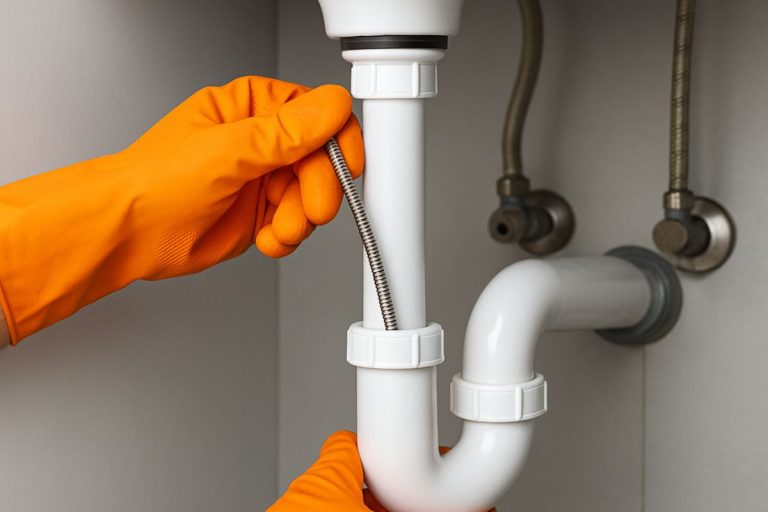
In cases of hair blockage, such as in shower drains or bathroom sinks, a wire rod or even an open metal hanger can be used to pull out the debris.
Be careful not to push the debris further into the pipe. Use a rubber glove and make light movements to avoid damaging the pipe.
Now that you've learned how to unclog pipes in a practical wayIt's time to think about prevention. After all, the best blockage is the one that never happens. Here are some simple tips to keep your pipes clear and running smoothly.
Even with a disposer or sieve, food particles can accumulate and form a layer of grease inside the pipes. Always dispose of food waste in the garbage before washing dishes.
Also, avoid pouring oil or grease directly down the sink. These elements harden and stick to the plumbing walls, forming real clogging "stoppers".
One of the most effective methods for preventing clogs in bathroom drains is to install protective grates or screens. These prevent hair and bits of soap from getting into the pipes, making cleaning easier.
This simple tip can save you a lot of time and money with recurring blockages, especially in large families.
Even if the drains seem to be working normally, it is important to carry out preventive cleaning. Use a mixture of bicarbonate with vinegar at least once a week.
It's also worth pouring hot, soapy water down kitchen drains to dissolve accumulated grease. This prevents unpleasant surprises and extends the life of your plumbing.
Many products sold in supermarkets promise "instant action" to unclog pipes, but frequent use can corrode pipes, especially PVC ones.
Always prefer homemade, natural solutions that respect the integrity of your water system. This is a safe and sustainable way to keep your home clog-free.
Instead of despairing when the water in the sink doesn't drain, now you know exactly how to unclog pipes with simple and affordable methods. With common ingredients such as bicarbonate, vinegar and hot water, you can solve problems in minutes, without the need for professional help.
What's more, adopting preventive practices on a daily basis prevents this problem from happening again. Clean, grease-free drains, for example, mean more hygiene, fewer odors and peace of mind for your routine.
Remember: keeping drains clear is a matter of health, comfort and economy. By applying these tips, you can ensure that your home runs efficiently, without any unpleasant surprises.
If you know someone who suffers from this kind of problem, share this article. Teaching how to unclog pipes is a way of helping those you love to live better - and more peacefully.




 English